UV exposure
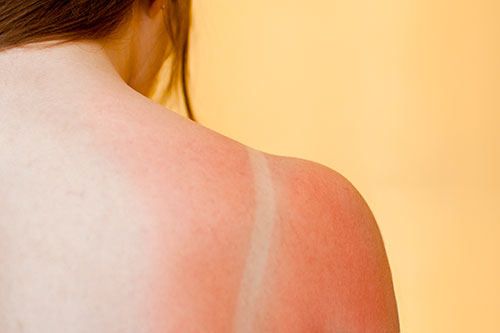
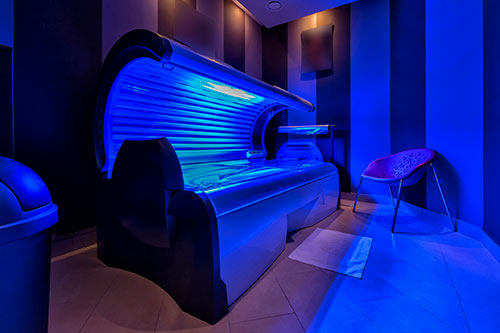
Prolonged exposure to ultraviolet (UV) radiation, particularly without adequate skin protection, can significantly increase your risk of skin cancer. UV radiation is part of the natural energy produced by the sun and is also emitted by tanning beds. Two types of UV radiation contribute to skin cancer risks:- Ultraviolet A (UVA) has a longer wavelength and is also associated with skin aging.
- Ultraviolet B (UVB) has a shorter wavelength and is associated with skin burning.
Although UVA and UVB rays differ in how they affect the skin, they are both harmful. Unprotected exposure to UVA and UVB damages the DNA in skin cells, producing genetic defects, or mutations, that can lead to skin cancer. Consistently using high-SPF sunscreen is a key protective measure.
Chemical exposure
Regular exposure to certain chemicals, such as arsenic, coal, industrial tar, paraffin, and certain oils may put you at a higher risk for certain non-melanoma skin cancers.
Smoking
Individuals who smoke are at risk for developing squamous cell skin cancers, specifically in the lip area.
Atypical moles
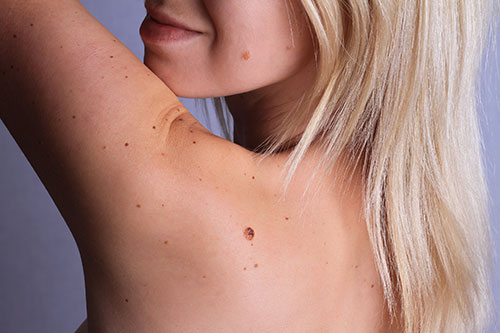
Atypical moles, which are unusual-looking moles that display irregular features under a microscope, are a highly common skin cancer risk factor. Also referred to as “dysplastic nevi,” these moles can occur anywhere on the body and may change in appearance. An atypical mole is not skin cancer, but they are a risk factor for the development of melanoma. Early detection is the most effective method for reducing the risks associated with atypical moles. With regular skin exams (both conducted at home by a professional), you are more likely to spot an atypical mole and promptly pursue a diagnosis and treatment if needed.
Skin self-exams: What to look for
It is highly recommended that you conduct skin self-exams once a month, closely assessing your skin from head to toe. Some important red flags include:- A new mole, or a change to an existing mole (often the first sign of melanoma)
- A mole or spot that has increased in size or changed its shape
- A mole, birthmark, or any other spot that is has been itchy, bleeding, painful, or scabbed over for 3 or more weeks
If you notice any of the above signs, immediately schedule an appointment with your dermatologist.
The ABCDE Warning Signs
Use this guide for warning signs for atypical moles and melanoma.
A is for Asymmetry: If you draw a line through the middle of the lesion and the two halves don’t match, it may be an atypical mole. Common moles tend to have a more symmetrical, round, or oval shape.
B is for Border: The borders of the mole are uneven, irregular, or even scalloped. Common moles tend to have smoother, more even borders.
C is for Color: Multiple colors are a warning sign. Benign moles are usually a single shade of brown, a melanoma may have different shades of brown, tan, or black. As it grows, red, white, and blue may also appear.
D is for Diameter: If a mole is about the size of a pencil eraser (about 6mm or ¼ inch in diameter) or larger, get it checked. Keep in mind that it is possible for melanomas to be smaller, but this is a good guideline.
E is for Evolving: Any change in size, shape, the color of a spot on your skin. It is also a warning sign if the lesion is bleeding, itching, or crusting.
If you are experiencing any of the warning signs, make an appointment with your dermatologist and get checked!